Hotels With the Most Spectacular Architecture Unveiled
Hotels With the Most Spectacular Architecture take center stage as we explore the world’s most stunning hotel designs that blend creativity with functionality. From grand historical edifices to modern marvels, each hotel tells a story through its unique architectural style, enhancing the guest experience and reflecting cultural identities.
Architectural design is not just about aesthetics; it significantly impacts how guests perceive their surroundings and interact with the space. The right architecture can elevate a hotel stay from ordinary to extraordinary, making it a memorable part of any travel experience.
Introduction to Spectacular Hotel Architecture
Source: tablethotels.com
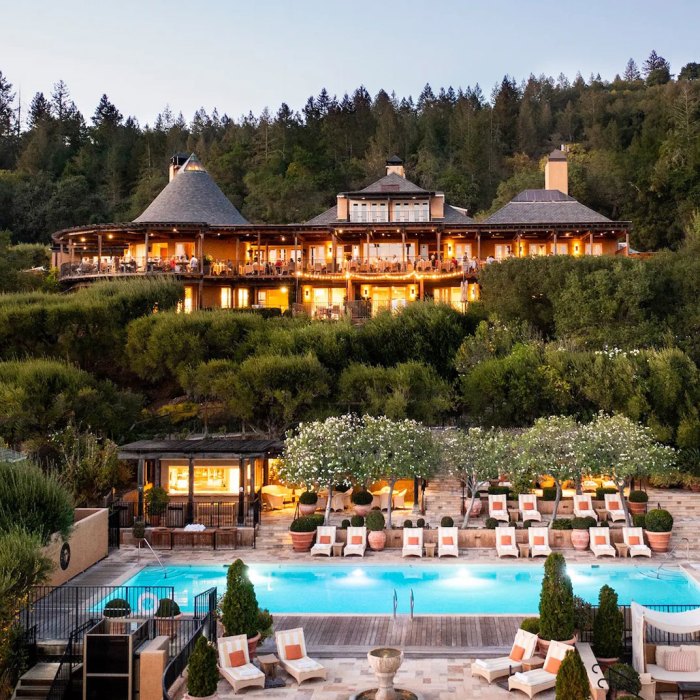
Spectacular hotel architecture refers to the unique and striking designs that elevate the aesthetic appeal of accommodations, transforming them into landmarks of design and comfort. These architectural marvels combine artistic vision with functionality, creating spaces that not only serve as places to stay but also as experiences in themselves. Well-designed hotels capture the essence of their surroundings, making them an integral part of the cultural landscape.The significance of architectural design in hotels cannot be overstated.
A thoughtfully designed hotel enhances the guest experience by providing not just a place to sleep, but a welcoming atmosphere that reflects local culture and history. The use of light, space, materials, and innovative layouts contributes to a memorable stay, while amenities and services are seamlessly integrated into the overall design, providing guests with a sense of luxury and comfort.
Architecture and Cultural Identity in Hotel Design
The relationship between architecture and cultural identity is pivotal in hotel design, as it showcases local traditions, aesthetics, and values in a tangible form. Hotels that embody the character of their locales attract visitors seeking authenticity and connection to the region. Here are some key aspects of this relationship:
Local Materials and Techniques
Many hotels use indigenous materials and traditional building methods that reflect the local heritage. For instance, limestone façades in Mediterranean hotels or bamboo structures in tropical resorts not only blend with the environment but also tell a story of craftsmanship and culture.
Cultural Signage and Art
Incorporating local art, crafts, and cultural motifs into the hotel’s design amplifies the guests’ experience. Murals, sculptures, and textiles can narrate the local history and traditions, making the hotel a gallery of cultural expression.
Architectural Styles
The architectural style of a hotel often mirrors the historical influences of its region. Whether it’s a Victorian-era building in the heart of London or a sleek, modern structure in Tokyo, the design reflects the evolution of architectural trends and the cultural narrative of the area.
Landscaping and Environment
An important aspect of cultural identity in hotel architecture is how the building interacts with its surroundings. Gardens, courtyards, and natural landscapes are integrated to create a harmonious atmosphere that respects and enhances the local environment.By thoughtfully combining these elements, hotels not only provide a unique lodging experience but also serve as ambassadors of their culture, creating lasting impressions on guests while fostering appreciation for the local identity.
Iconic Hotels Around the World: Hotels With The Most Spectacular Architecture
The world is scattered with hotels that not only provide comfort and luxury but also stand as landmarks of architectural brilliance. These iconic hotels serve as a testament to the creativity and innovation that define contemporary and historic design. From towering skyscrapers to grand historical edifices, each hotel tells a unique story through its structure.The architectural features of these hotels often reflect the cultural and historical significance of their locations.
Below is a table highlighting some of the most iconic hotels around the globe, showcasing their distinctive architectural styles.
| Hotel Name | Location | Architectural Style |
|---|---|---|
| The Burj Al Arab | Dubai, UAE | Modern, Sail-shaped |
| Hotel Ritz Paris | Paris, France | French Baroque |
| The Silo Hotel | Cape Town, South Africa | Industrial, Contemporary |
| The Four Seasons Hotel George V | Paris, France | Art Deco |
| Marina Bay Sands | Singapore | Modern, Futuristic |
| Palace Hotel | Tokyo, Japan | Traditional Japanese, Modern |
| Belmond Hotel Caruso | Ravello, Italy | Renaissance, Mediterranean |
| Hotel de Glace | Quebec City, Canada | Ice Architecture |
Each hotel featured in this list not only provides an unforgettable experience but also showcases architectural style that resonates with the character of its environment. From modern marvels like the Burj Al Arab to the historical elegance of the Hotel Ritz Paris, these hotels enrich the travel experience with their stunning designs.
Modern Architectural Trends in Hotels
The landscape of hotel architecture is rapidly evolving, driven by the need for sustainability, guest experience, and innovative design. As travelers seek unique accommodations, architects are reimagining the traditional hotel structure with cutting-edge designs that reflect contemporary lifestyle trends. This section Artikels the latest architectural trends shaping today’s hotels and highlights some remarkable examples that embody these modern standards.
Emerging Architectural Trends
Several key trends are influencing the design of modern hotels, allowing for a more dynamic and engaging experience for guests. These trends emphasize sustainability, local culture, and technological integration, thus enhancing the overall guest experience. Some of these emerging trends include:
- Sustainable Design: Hotels are increasingly adopting sustainable practices, utilizing eco-friendly materials, and implementing energy-efficient systems. This shift not only reduces the environmental impact but also resonates with the eco-conscious traveler.
- Biophilic Design: Incorporating natural elements into hotel design is becoming a hallmark of modern architecture. This approach focuses on creating a connection between guests and nature, often through the use of living walls, expansive windows, and natural light.
- Modular Construction: The trend towards modular construction allows hotels to be built more quickly and efficiently. This method utilizes prefabricated building blocks, reducing waste and construction time while maintaining high quality.
- Smart Technology Integration: The incorporation of smart technology enhances the guest experience by providing seamless control over room amenities. Features such as mobile check-in, room automation, and personalized lighting systems create a more tailored stay.
- Adaptive Reuse: Transforming existing structures into hotels is gaining popularity, especially in urban areas. This practice not only preserves historical architecture but also adds character and uniqueness to the guest experience.
Innovative Materials and Technologies, Hotels With the Most Spectacular Architecture
The choice of materials and construction technologies plays a crucial role in modern hotel architecture. Innovations in materials not only improve aesthetics but also enhance functionality and sustainability. Here are some noteworthy materials and technologies currently being utilized:
- Cross-Laminated Timber (CLT): This sustainable wood product is making waves in hotel construction due to its strength and minimal carbon footprint. CLT enables the creation of stunning wood structures that are both beautiful and environmentally friendly.
- Smart Glass: Using advanced glazing technologies, smart glass adjusts its opacity based on sunlight exposure, improving energy efficiency and guest comfort. This technology allows for panoramic views while reducing glare and heat.
- Recycled Materials: Hotels are increasingly sourcing construction materials from recycled products, ranging from reclaimed wood to recycled metal and glass, supporting the circular economy.
- 3D Printing: This cutting-edge technology is being explored for creating unique architectural elements and even entire structures. It offers design freedom and significantly reduces construction times.
Examples of Hotels Embodying Modern Trends
Several hotels around the world exemplify these modern architectural trends, showcasing innovative design and sustainable practices.
- The Treehotel, Sweden: Nestled among the trees in Harads, this hotel features unique treehouse accommodations designed by various architects. Each house showcases innovative materials and a strong connection to nature, embodying biophilic design principles.
- Hotel Indigo, New York: This hotel incorporates adaptive reuse, transforming a former bank into a vibrant boutique hotel. The design retains historical features while integrating modern amenities and local art, creating a unique guest experience.
- The Hoxton, Amsterdam: With its focus on sustainability and community, this hotel utilizes recycled materials in its decor and emphasizes a warm, inviting atmosphere that reflects the local culture.
- Yotel, New York: This hotel exemplifies smart technology integration, offering compact, high-tech rooms that feature automated check-in and smart beds, catering to the tech-savvy traveler.
The Role of Sustainability in Hotel Architecture

Source: pxhere.com
Sustainability in hotel architecture has become more than just a trend; it’s a necessary approach that reflects a growing awareness regarding environmental responsibility. The modern traveler increasingly seeks accommodations that not only provide comfort and luxury but also demonstrate a commitment to sustainable practices. These principles shape the design and construction of hotels, guiding architects in their choices of materials, energy sources, and overall design aesthetics.Sustainability influences architectural choices in hotels through the integration of eco-friendly materials, energy-efficient systems, and designs that minimize environmental impact.
Architects often focus on using renewable resources, reducing waste, and maximizing energy efficiency. This shift not only creates a positive impact on the environment but also appeals to eco-conscious travelers, providing hotels with a competitive edge in a crowded market.
Examples of Eco-Friendly Hotels and Their Architectural Designs
Numerous hotels around the globe exemplify sustainable architecture through innovative designs and practices. These properties serve as benchmarks for integrating eco-friendliness in hospitality.
- The Proximity Hotel, Greensboro, North Carolina: This hotel boasts a LEED Platinum certification and features solar panels for energy, a green roof, and recycled building materials. Its design maximizes natural light to reduce energy consumption, reflecting a commitment to sustainability.
- The Treehotel, Harads, Sweden: Nestled in the forest, this unique hotel has treehouse accommodations that minimize ground disturbance. It employs sustainable building techniques alongside locally sourced materials, blending seamlessly into the natural landscape.
- Hotel Verde, Cape Town, South Africa: Known as Africa’s greenest hotel, Hotel Verde incorporates sustainable water management, energy-efficient lighting, and waste recycling systems. Its design includes living roofs and sustainable landscaping that enhances biodiversity.
“Sustainable architecture is not merely about the materials used; it’s about creating a system that works in harmony with nature.”
Methods for Integrating Sustainable Practices into Hotel Architecture
Architects and hotel developers employ several methods to weave sustainability into hotel architecture. These methods ensure that sustainability is not an afterthought but a core element of the design process.
Passive Design Strategies
These include orientation to maximize natural light and ventilation, reducing reliance on artificial heating and cooling systems. By careful placement of windows, shading, and thermal mass, hotels can greatly reduce energy consumption.
Water Conservation Systems
Implementing rainwater harvesting systems, greywater recycling, and low-flow fixtures helps minimize water usage, contributing significantly to sustainability goals.
Energy-Efficient Technology
Utilizing energy-efficient appliances, smart thermostats, and solar panels can dramatically lower a hotel’s carbon footprint. Additionally, integrating building management systems ensures optimal energy use.
Sustainable Material Selection
Choosing locally sourced, reclaimed, or rapidly renewable materials reduces the ecological impact of construction. Moreover, materials with low VOC emissions contribute to better indoor air quality.
Community Engagement
Involving local communities in the design and operation of hotels fosters a sense of connection and responsibility. This practice not only supports local economies but also preserves cultural heritage.By embracing these strategies, hotels can significantly enhance their sustainability profile while providing guests with unique and responsible experiences. The future of hotel architecture lies in harmonizing luxurious design with environmental stewardship, ensuring a sustainable legacy for generations to come.
Historical Hotels with Architectural Significance
Throughout history, hotels have often been more than just places to stay; they serve as landmarks that reflect the architectural and cultural heritage of their surroundings. Many historic hotels boast designs that showcase unique architectural styles and rich histories, making them iconic destinations in their own right. These properties tell stories through their structures, offering guests a glimpse into the past while providing modern comforts.The architectural significance of historical hotels spans various styles, from Gothic and Victorian to Art Deco and Colonial revival.
These styles not only define the aesthetics of the structures but also embody the values, trends, and innovations of their respective eras. Preserving such hotels is crucial not only for maintaining historical integrity but also for continuing to inspire future generations of architects and travelers alike.
Key Historical Hotels and Their Architectural Features
The following hotels represent a selection of significant historical properties that highlight remarkable architectural styles and rich history. Each of these hotels provides a unique glimpse into the architectural narrative of its time.
- The Ritz Paris
-Paris, France:“A blend of opulence and elegance, this hotel exemplifies the French Second Empire style, featuring grand ballrooms and intricate moldings.”
- Hotel del Coronado
-Coronado, California, USA:“An iconic Victorian beachfront hotel, known for its red-gabled roof and extravagant wooden architecture, reflecting the romantic seaside style of the late 19th century.”
- The Savoy
-London, England:“Showcasing Art Deco style, The Savoy combines modernist elements with Edwardian elegance, highlighted by its stunning glass dome and river views.”
- Adlon Kempinski
-Berlin, Germany:“Reconstructed in the classical style after its original 1907 design, it stands as a symbol of Berlin’s rich heritage, featuring elegant interiors and historical significance.”
- Palace Hotel
-San Francisco, California, USA:“A prime example of Renaissance Revival architecture, this hotel boasts stunning frescoes and grand staircases, reflecting the opulence of the late 19th century.”
Architectural Influences from Different Cultures
Source: bellavistalignano.it
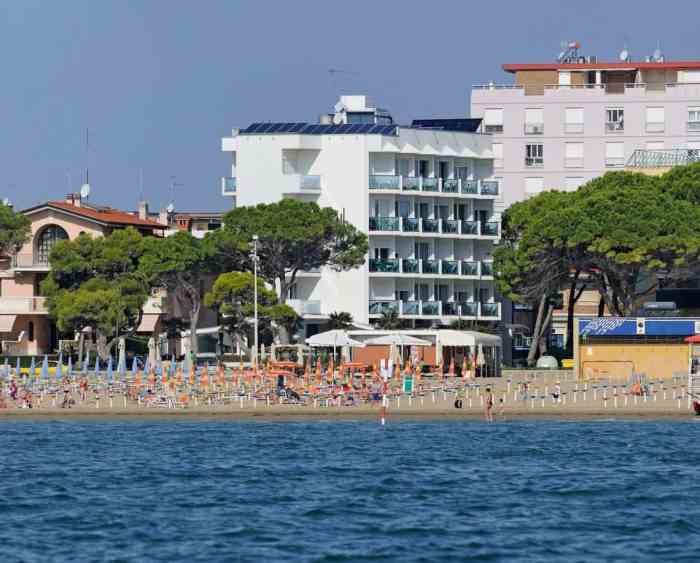
Hotel architecture is often a reflection of the cultural heritage and traditions of the region in which they are situated. By exploring the unique architectural styles that hotels adopt from various cultural backgrounds, we can appreciate how these designs contribute to the overall guest experience. The way a hotel is constructed can tell stories about its surroundings and give visitors a sense of place, blending comfort with local artistry.Cultural influences in hotel architecture manifest through various design elements that resonate with the local community’s history, environment, and values.
From intricate mosaics to minimalist wooden structures, each detail serves to connect guests with the essence of the destination. The interplay between modernity and tradition creates a unique atmosphere that enhances the guest experience, allowing for deeper connections with the locale.
Comparative Analysis of Architectural Styles
Different regions of the world showcase distinctive architectural styles that not only highlight local aesthetics but also embody cultural significance. Recognizing these differences allows us to appreciate how a hotel’s design enhances the overall experience for travelers. Below are several notable architectural styles and their cultural reflections in hotel design:
- Japanese Ryokan: Characterized by tatami mats, sliding doors (fusuma), and natural materials, the ryokan exemplifies simplicity and harmony with nature. This style encourages a tranquil atmosphere, enhancing relaxation for guests.
- Spanish Parador: Typically set in historical buildings like castles or monasteries, these hotels feature ornate tile work and wrought-iron balconies, reflecting the rich history and art of Spain. Staying in a parador is akin to stepping back in time, offering a unique cultural immersion.
- Moroccan Riads: With their intricate tile patterns, lush courtyards, and vibrant colors, riads represent the warmth of Moroccan hospitality. The architectural design fosters a sense of intimacy and community, inviting guests to feel at home.
- Scandinavian Design: Focused on minimalism, functionality, and integration with nature, Scandinavian hotels often utilize light-colored woods and large windows. This design philosophy promotes comfort and promotes well-being, creating an inviting space for guests.
- Indian Heritage Hotels: Often housed in former palaces, these hotels feature elaborate carvings, vibrant textiles, and ornate architecture that showcase India’s royal history. The experience is enriched by storytelling through design, giving guests a taste of India’s regal past.
These architectural styles are not merely aesthetic choices; they are deeply ingrained in the cultural and historical context of their locations. Guests who appreciate these influences often find their stay to be more enriching and meaningful.
Cultural architecture in hotels enhances the guest experience by establishing a profound connection to the locale through design elements that reflect the region’s heritage.
Future of Hotel Architecture
The future of hotel architecture is set to navigate through a landscape of innovation, sustainability, and cultural integration. As travelers become more environmentally conscious and demand unique experiences, architects are challenged to design spaces that captivate while addressing modern needs. The evolution of technology and materials will play a significant role in shaping the next generation of hotels, creating structures that are not only aesthetically pleasing but also functionally advanced and sustainable.Architects are likely to face several challenges as they conceptualize new hotel designs.
These challenges include managing the balance between sustainability and luxury, integrating smart technology seamlessly, and ensuring that designs reflect the local culture while appealing to a global audience. The continuous demand for unique and immersive experiences will push architects to think outside conventional design parameters.
Anticipated Trends in Hotel Architecture
The architectural landscape of hotels is evolving with innovative trends that reflect changing traveler preferences and technological advancements. Key anticipated trends include:
- Biophilic Design: This approach emphasizes the connection between humans and nature, integrating natural elements like plants, water features, and natural light into hotel design to enhance guests’ well-being.
- Modular Construction: Prefabricated structures are becoming popular, allowing for faster construction and reduced waste. This method enables hotels to adapt to different environments efficiently.
- Smart Hotels: The integration of IoT devices to enhance guest experience and operational efficiency is on the rise. Features like automated room controls and AI concierge services exemplify this trend.
- Adaptive Reuse: Converting historical or underutilized buildings into hotels preserves cultural heritage while meeting modern demands, offering guests a unique experience enriched with history.
- Net-Zero Energy Buildings: Future hotels will increasingly aim for net-zero energy consumption, focusing on renewable energy sources and sustainable materials to minimize environmental impact.
Visionary Concepts for Upcoming Hotel Projects
Several visionary concepts are emerging in hotel architecture that could redefine the hospitality sector. These concepts not only reflect innovative design but also serve to enhance the guest experience:
Floating Hotels
Inspired by sustainability, floating hotels are designed to rise with sea levels and provide unique experiences on water. They are often equipped with advanced technologies to minimize environmental impacts while offering breathtaking views.
Vertical Hotels
Skyscrapers that incorporate vertical gardens and community spaces are gaining momentum. These structures maximize urban space while providing lush greenery and social areas, promoting environmental sustainability in dense cities.
Cultural Fusion Hotels
Future hotel designs will increasingly reflect local cultures through architecture, art, and community engagement, providing guests with immersive experiences that celebrate local traditions and lifestyles.
Self-Sustaining Resorts
Designed with integrated ecosystems, these resorts will produce their own energy and food, using renewable resources to minimize reliance on external supplies and reduce carbon footprints.
Augmented Reality Integration
The use of AR technology in hotels allows guests to interact with their surroundings uniquely, enhancing their stay with immersive experiences that offer insights into local culture and history.These visionary architectural concepts not only highlight the creativity of modern architects but also emphasize the growing importance of sustainability and cultural reflection in hotel design.
Ending Remarks
In conclusion, the exploration of Hotels With the Most Spectacular Architecture reveals the vital role that design plays in shaping not only the physical space but also the guest experience. By understanding the integration of culture, sustainability, and innovative trends, travelers can appreciate the artistry behind these remarkable structures, making their stays even more significant.
FAQ Explained
What defines spectacular architecture in hotels?
It’s characterized by unique designs, innovative use of materials, and cultural significance that enhances the guest experience.
Are there hotels that are both sustainable and architecturally stunning?
Yes, many hotels prioritize eco-friendly practices while showcasing remarkable designs, blending sustainability with aesthetic appeal.
How can I find hotels with unique architecture when traveling?
Consider researching travel blogs, architectural websites, or booking platforms that highlight hotels known for their design.
What architectural styles are most common in hotels?
Common styles include modern, luxury, historical, and eco-friendly designs, each offering a distinct experience.
Do architectural trends in hotels change frequently?
Yes, as technology and design philosophies evolve, so do the architectural trends, reflecting current aesthetics and sustainability practices.